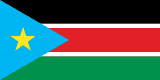
South Sudan
Africa
Age Verification Compliance Overview
This page provides comprehensive age verification and compliance information for South Sudan. Our research team continuously monitors regulatory changes, enforcement actions, and legal developments to ensure businesses have access to up-to-date compliance intelligence.
South Sudan has implemented a complete prohibition on age-restricted adult content, classified as "Banned". This ban typically includes website blocking, payment processing restrictions, and potential criminal penalties for violations. Businesses should not attempt to operate in this jurisdiction without explicit legal counsel, as enforcement may include criminal prosecution, substantial fines, and reputational damage.
The information below includes regulatory status, legal requirements, enforcement mechanisms, penalties for non-compliance, acceptable verification methods, and relevant regulatory authorities. This data is essential for platforms, content providers, and businesses that need to implement age-appropriate access controls or verify user ages.
Please note: Adult content access is currently prohibited in South Sudan. This ban may affect website accessibility, payment processing, and service availability. Businesses should consult legal counsel before operating in this jurisdiction.
Minimum Age
N/A (Banned)
Content is completely prohibited
Age Gate Required
No
No verification required
Last Verified
10/12/2025
Most recent data update
Regulatory Timeline
Historical changes and upcoming regulatory events
- Banned
Social media ban lifted: South Sudanese authorities lifted the temporary ban on Facebook and TikTok after the disturbing content that sparked violent protests was removed from the platforms.
- Banned
NCA orders social media ban: The National Communication Authority (NCA) ordered a nationwide shutdown of all social media platforms for a minimum of 30 days (potentially up to 90 days) citing concerns over graphic content related to violence in Sudan.
- Banned
Cybercrimes and Computer Misuse Bill 2024 presented to Parliament: The Ministry of Justice and Constitutional Affairs presented the Cybercrimes and Computer Misuse Bill 2024 to the National Transitional Legislative Assembly for discussion.
- Banned
African Child Day focuses on digital environment: Commemoration of African Child Day under the theme 'The Rights of the Child in the Digital Environment', highlighting vulnerabilities to cybercrime and inappropriate content.
- Banned
Parliament returns Provisional Orders for redrafting: Parliament returned the Cybercrimes and Computer Misuse Provisional Order, along with two others, to the Ministry of Justice for redrafting as bills, stating their time had constitutionally expired.
- Banned
Specialized Cybercrime Court launched: The Ministry of Justice launched a specialized court to deal with cybercrimes, applying the Cybercrimes and Computer Misuse Provisional Order 2021.
- Banned
Cybercrimes and Computer Misuse Provisional Order 2021 signed into law: President Salva Kiir signed the Cybercrimes and Computer Misuse Provisional Order 2021, aimed at combating cybercrimes, but criticized for broad definitions and potential chilling effect on rights.
- Banned
SSNCA blocks websites: South Sudan National Communication Authority (SSNCA) blocked websites of Radio Tamazuj, Sudan Tribune, Paanluel Wel, and Nyamilepedia for 'non-peace' messages.
- Banned
National Security Services Act of 2014 enacted: Allows the NSS to monitor frequencies, wireless systems, publications, broadcasting stations, and postal services without judicial oversight.
- Banned
Media Authority Act, 2013 enacted: Provides for press freedom but criminalizes defamation, hate speech, and incitement to violence.
- Banned
National Communication Act, 2012 enacted: Establishes the Communication Authority and provides for its powers, functions, and duties, including regulating communication services and content.
- Banned
Transitional Constitution of the Republic of South Sudan, 2011 enacted: Guarantees fundamental rights but allows for limitations based on public morality, order, and national security.
- Banned
Child Act, 2008 enacted: Legislation providing for the protection of children, making child pornography and exploitation of minors illegal.
Data Sources
Legal documents and references supporting this data
Showing 5 of 16 sources
cyrilla.org1599162777708mzasrhbz7oq.pdf
cipesa.orgsouth-sudans-cybercrimes-and-computer-misuse-order-2021-stifles-citizens-rights
nca.gov.ssonline-data-communication
nca.gov.ssundefined
mtn.comSouth-Sudan-Let-Children-Be-Children_M.H_Final-ex-MD-09-Dec.pdf
All sources are evaluated for credibility and relevance. Primary sources indicate official legal documents and government publications. Credibility scores reflect source reliability based on jurisdiction, publication authority, and verification status.
Related Countries
Countries with similar regulatory frameworks
Regulatory Authorities
Regulator contacts will appear here as they become available.