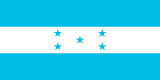
Honduras
Americas
Age Verification Compliance Overview
This page provides comprehensive age verification and compliance information for Honduras. Our research team continuously monitors regulatory changes, enforcement actions, and legal developments to ensure businesses have access to up-to-date compliance intelligence.
Honduras currently classifies age-restricted content as "Allowed". This means businesses can operate with standard age verification practices, typically requiring users to confirm they meet minimum age requirements. While access is generally permitted, platforms should still implement appropriate age gates and comply with any specific industry regulations or voluntary codes of conduct.
The information below includes regulatory status, legal requirements, enforcement mechanisms, penalties for non-compliance, acceptable verification methods, and relevant regulatory authorities. This data is essential for platforms, content providers, and businesses that need to implement age-appropriate access controls or verify user ages.
Minimum Age
18+ years
Required age for platform access
Age Gate Required
No
No verification required
Last Verified
10/12/2025
Most recent data update
Regulatory Timeline
Historical changes and upcoming regulatory events
- Allowed
DINAF reminds media of prohibition on exposing images of minors: The Directorate of Childhood, Adolescence and Family (DINAF) issued a reminder to media outlets about the prohibition of exposing images, videos, names, or personal data of children, citing articles from the Code of Childhood and Adolescence.
- Allowed
Cybersecurity Law approved up to second debate: A Cybersecurity Law was approved up to its second debate in the National Congress. Organizations expressed concerns that it could infringe on freedom of expression.
- Allowed
New Penal Code (Decreto No. 130-2017) became effective: The New Penal Code, which includes extensive provisions against child pornography and sexual exploitation of minors, became effective.
- Allowed
Cybersecurity Law awaiting final approval: The 'National Cybersecurity Law and Measures for Protection Against Acts of Hate and Discrimination on the Internet and Social Networks' was awaiting approval in its third and final debate. Experts raised concerns about its ambiguity and potential for censorship.
- Allowed
Penal Code of Honduras (Oct. 2018) in effect (as per ICMEC document date): The Penal Code of Honduras (dated October 2018) is referenced as being in effect, containing articles on age of consent (14 years) and various sexual offenses against children, including child pornography and sexual harassment via electronic means.
- Allowed
Data Protection Bill in suspense: A Personal Data Protection Bill has been in suspense since April 2018 in the National Congress, indicating a lack of comprehensive data protection legislation.
- Allowed
Discussion and approval of new Penal Code articles: Discussion and approval of articles for the new Penal Code were ongoing, with specific mention of sanctions for electronic sexual contact with minors under 14 and unauthorized dissemination of intimate images.
- Allowed
Proposal to include cybercrimes against minors in Penal Code: A proposal was made to include cybercrimes in the Penal Code to protect Honduran children from online risks such as pornography, abuse, and cyberbullying, highlighting the lack of existing legislation at the time.
- Allowed
Code of Childhood and Adolescence modified: Modifications were made to the Code of Childhood and Adolescence, establishing more protective norms for children's rights.
- Allowed
Code of Childhood and Adolescence (Decreto No. 73-96) enacted: The Code of Childhood and Adolescence was enacted, defining children as under 18 and establishing protections against harmful content and exploitation, including prohibitions on images of children that violate dignity or morality, and pornographic content circulating among children.
Data Sources
Legal documents and references supporting this data
Showing 5 of 16 sources
laprensa.hncodigo_penal-abusos-redes_sociales-abuso_sexual-BCLP1078779
central-law.comhonduras-proteccion-de-datos
visorjudicial.comHonduras-Cuales_son_las_leyes_que_regulan_los_casos_de_violacion_de_la_ley_de_pr...
laprensa.hnprotegeran-a-la-ninez-hondurena-de-delitos-ciberneticos-DVLP1010399
oas.orgCodigo_Ninez_Adolescencia_Honduras.pdf
All sources are evaluated for credibility and relevance. Primary sources indicate official legal documents and government publications. Credibility scores reflect source reliability based on jurisdiction, publication authority, and verification status.
Related Countries
Countries with similar regulatory frameworks
Regulatory Authorities
Regulator contacts will appear here as they become available.