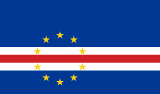
Cape Verde
Africa
Age Verification Compliance Overview
This page provides comprehensive age verification and compliance information for Cape Verde. Our research team continuously monitors regulatory changes, enforcement actions, and legal developments to ensure businesses have access to up-to-date compliance intelligence.
Cape Verde currently classifies age-restricted content as "Allowed". This means businesses can operate with standard age verification practices, typically requiring users to confirm they meet minimum age requirements. While access is generally permitted, platforms should still implement appropriate age gates and comply with any specific industry regulations or voluntary codes of conduct.
The information below includes regulatory status, legal requirements, enforcement mechanisms, penalties for non-compliance, acceptable verification methods, and relevant regulatory authorities. This data is essential for platforms, content providers, and businesses that need to implement age-appropriate access controls or verify user ages.
Minimum Age
18+ years
Required age for platform access
Age Gate Required
No
No verification required
Last Verified
10/12/2025
Most recent data update
Regulatory Timeline
Historical changes and upcoming regulatory events
- Allowed
Decreto-Regulamentar n.º 2/2025 approved new Statutes of ICCA: Approval of new statutes for the Cape Verdean Institute for Children and Adolescents (ICCA), revoking the previous 2017 decree. (Note: This date appears to be in the future based on the source document's publication date, but is included as stated in the source).
- Allowed
Law No. 121/IX/2021 entered into force: The latest amendments to the Data Protection Act became immediately applicable.
- Allowed
Law No. 121/IX/2021 amended the Data Protection Act: Significant amendments to the Data Protection Act, aligning it with international standards like GDPR.
- Allowed
Draft law on Crimes of Aggression and Sexual Abuse Against Children and Adolescents delivered to parliament: A draft law proposing aggravated penalties for sexual abuse against children and criminalizing 'child prostitution' and 'child sexting' was submitted to the National Assembly.
- Allowed
PCCS of ICCA personnel approved: Approval of the Plan of Positions, Careers and Salaries (PCCS) for ICCA personnel.
- Allowed
Decreto-regulamentar n.º 3/2017 approved new Statutes for ICCA: Approval of new statutes for the Cape Verdean Institute for Children and Adolescents (ICCA).
- Allowed
Law n°8/IX/2017 (Cybercrime Law) entered into force: The Cybercrime Law became effective, criminalizing offenses like child pornography and sextortion.
- Allowed
Law n°8/IX/2017 (Cybercrime Law) adopted by National Assembly: The National Assembly adopted a law establishing penal procedures for cybercrime and electronic evidence collection.
- Allowed
National Strategy on Cybersecurity approved: Approval of a four-year action plan on cybersecurity, including the development of appropriate legislation on cybercrime.
- Allowed
Human trafficking became a criminal offense: Human trafficking was explicitly criminalized in Cape Verde.
- Allowed
Code of Ethics against the Sexual Exploitation of Children and Adolescents for tourism sector: Development of a code of ethics to guide the tourism industry in preventing child sexual exploitation.
- Allowed
Law No. 41/VIII/2013 amended the Data Protection Act: Amendment to the 2001 Data Protection Act, updating the legal framework for personal data privacy.
- Allowed
Adoption of the Child and Adolescent Statute: A legislative initiative to implement the Convention on the Rights of the Child.
- Allowed
Cape Verde signed ILO Minimum Age Convention and Worst Forms of Child Labour Convention: Ratification of international conventions aimed at combating child labor.
- Allowed
National Commission for Human Rights and Citizenship created: Establishment of a key body for human rights protection and monitoring.
- Allowed
Código Penal (Penal Code) approved: The Penal Code of Cape Verde was approved by Legislative Decree N° 4/2003, establishing criminal provisions including those related to sexual offenses and protection of minors.
- Allowed
Ratification of Optional Protocols to the Convention on the Sale of Children, Child Prostitution and Child Pornography: Cape Verde ratified international protocols aimed at protecting children from sexual exploitation.
- Allowed
Law No. 133/V/2001 on the Protection of Personal Data enacted: Enactment of the initial comprehensive framework for data protection in Cape Verde.
Data Sources
Legal documents and references supporting this data
Showing 5 of 20 sources
africa-laws.orgCapeverde.php
state.govcabo-verde
africanlawbusiness.com16871-cape-verde-makes-significant-changes-to-its-data-protection-law
voaportugues.com4949470.html
ecpat.orgcape-verde
All sources are evaluated for credibility and relevance. Primary sources indicate official legal documents and government publications. Credibility scores reflect source reliability based on jurisdiction, publication authority, and verification status.
Related Countries
Countries with similar regulatory frameworks
Regulatory Authorities
Regulator contacts will appear here as they become available.